
And, But, Therefore
On storytelling structure and narrative building

A quick note: I'll be honest: I wrestled with whether to send this out today after last week's election. When the messages and facts we thought would resonate... didn't, it's tempting to wonder if storytelling frameworks even matter. But here's the thing - communication might be more important now than ever (especially the listening part).
Last week was a stark reminder that different stories and beliefs can take root and spread in ways we don't expect (and don’t want). While we may still maintain the same core beliefs, it's the stories we wrap around them that actually move people. And maybe more importantly, it's understanding the stories that move others - even (or especially) when they're different from the ones we'd tell.
So, I'm still going to share the simple framework below. Not because it’s some magic fix for all your messaging needs but because it’s a practical starting point for something we all need to keep working on: connecting with people through story. Whether you're writing an op-ed or trying to have better conversations across the dinner table, having a framework to build from can help clear away some of the fog.
And, But, Therefore
The best way to make sure our key messages are sticky is through stories. AND there are a lot of different approaches for how to weave together a good story. BUT staring at a blank page can be difficult. THEREFORE, we need simple, practical tools to help us put our stories together.
The “AND, BUT, THEREFORE (ABT)” framework developed by scientist-turned-filmmaker Randy Olson in his book "Houston, We Have a Narrative" provides a simple structure for finding your main storyline.
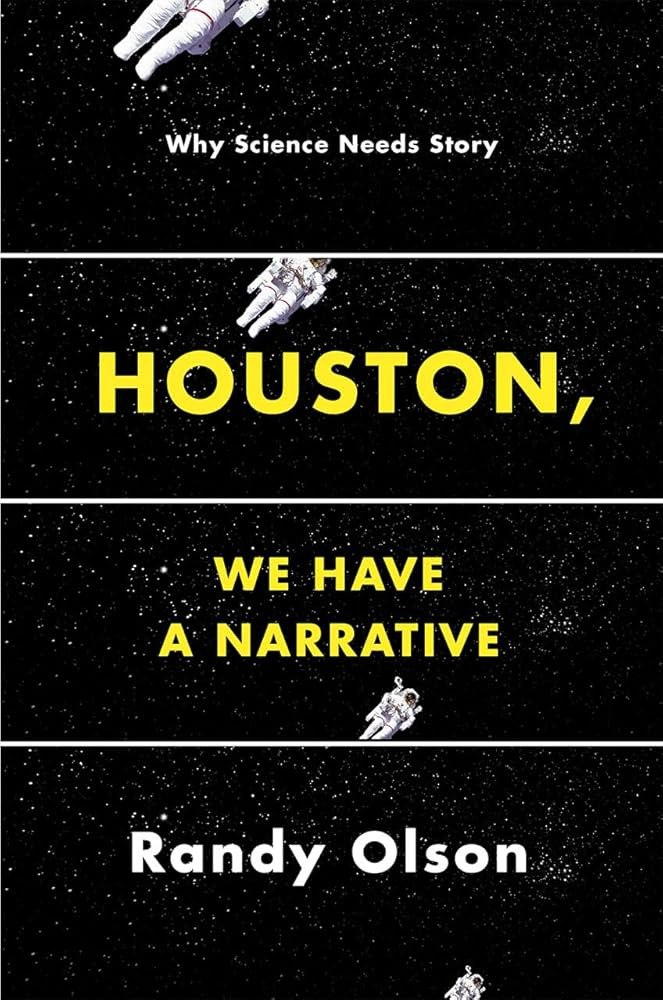
I think this framework can be a powerful place to start when developing anything from an op-ed to a full messaging platform. Starting this way helps you discover your core narrative—the essential story that all your supporting messages can build from.
It doesn't have to become your actual elevator speech or website copy, but it can serve as a good first step in figuring out what you really need to say.
The framework is broken down into four parts.
Start with Your Setup: Present your first fact or observation
Add Your "And": Connect related observations, build context, or show what else is true
Name Your "But": Introduce the complication, present the challenge, or show what's changed or what's wrong
Reach Your "Therefore": Present your resolution, share your solution, or offer your path forward
The next time you are staring at a blank page, wondering where to start, break it down into these four simple parts. You might be surprised at how quickly your story starts to take shape—and how much clearer your message becomes when you follow this proven path from setup to solution.
BONUS
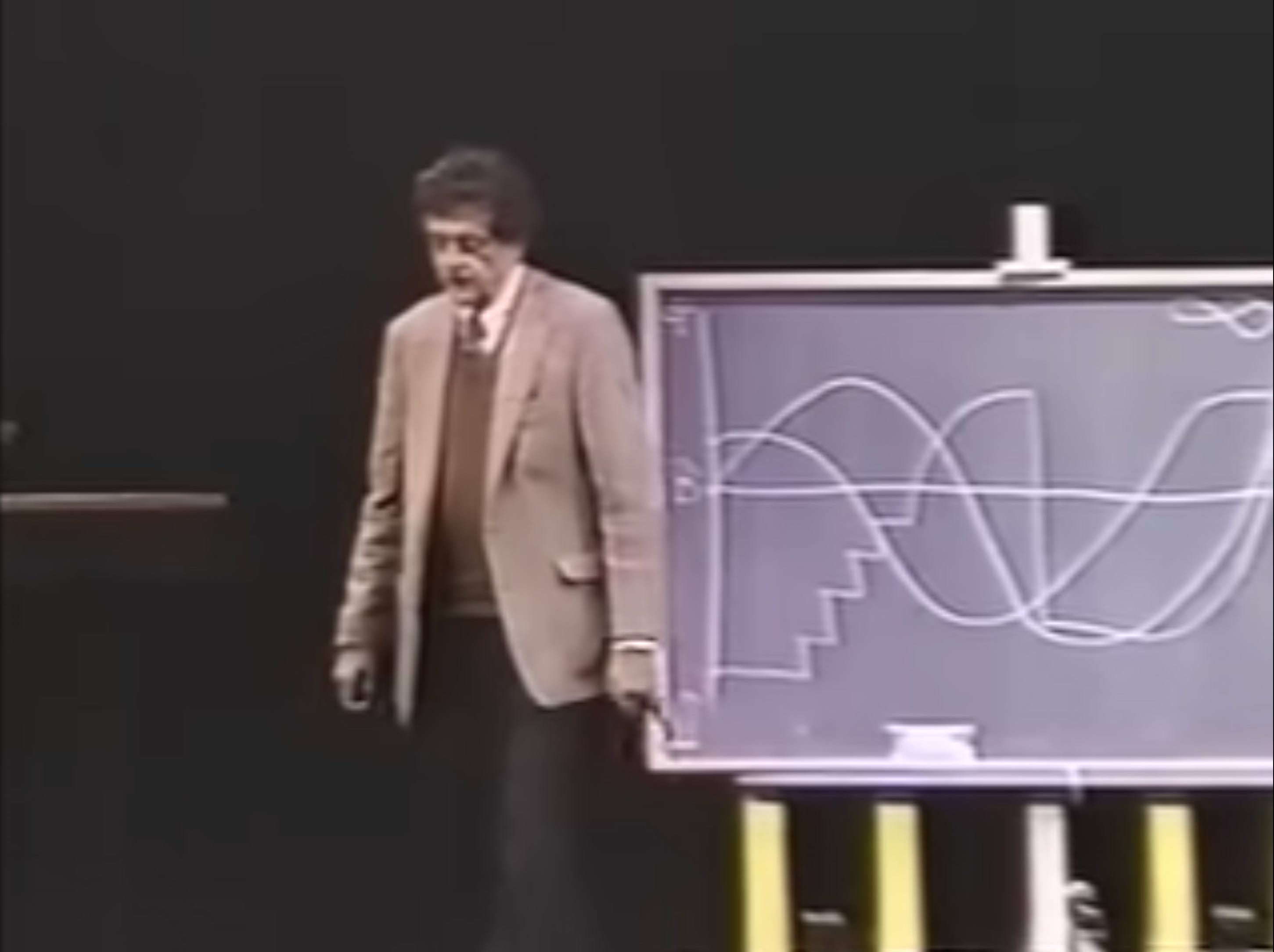
Kurt Vonnegut’s description of the 8 shapes of stories is also worth a read or watch.
So good! Another short and sweet piece with practical implications.
And yet, a line that really stands out to me comes from your quick note -
"While we may still maintain the same core beliefs, it's the stories we wrap around them that actually move people. And maybe more importantly, it's understanding the stories that move others - even (or especially) when they're different from the ones we'd tell."
I've been writing grants for 6 years and realize I use this framing but never had it laid out like this before---looking forward to using it more precisely going forward, thanks Josh!